

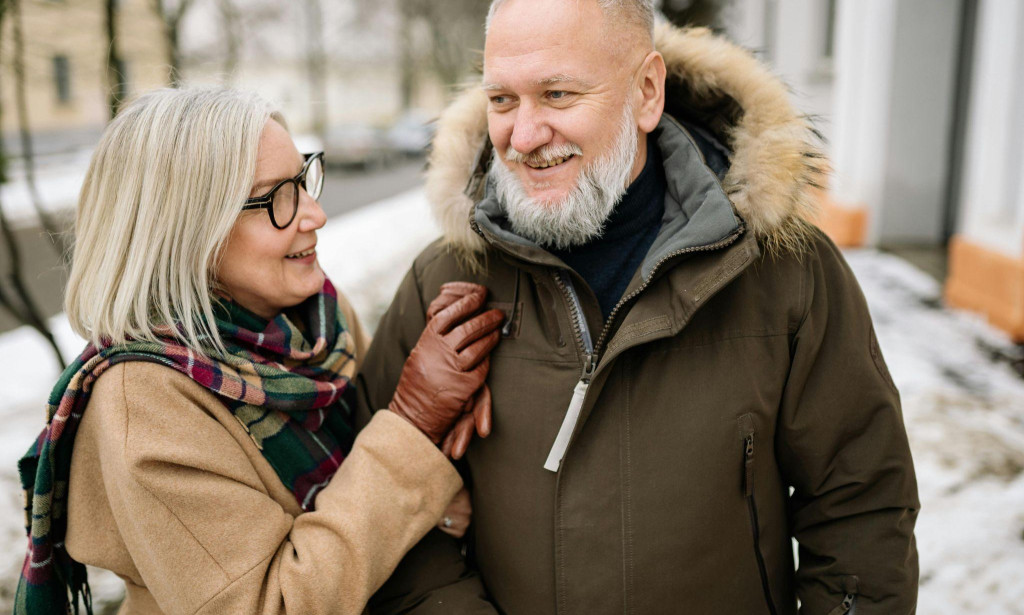
Older adults face more health challenges during winter. Cold temperatures, limited sunlight, and spending more time indoors make it easier for infections to spread. The immune system naturally slows with age, so supporting it becomes especially important throughout the colder months.
With steady attention to nutrition, movement, rest, and recommended vaccines, seniors can maintain better comfort and energy while lowering the risk of seasonal illness.
Why Winter Poses a Higher Risk for Seniors
The immune system changes gradually over a lifetime. As people age, their body produces fewer immune cells and have a slower response to infections. This means common viruses like colds, flu, or RSV may lead to stronger symptoms and longer recovery.
Winter challenges for seniors include:
● Colder temperatures that strain circulation and energy regulation
● Higher indoor exposure to viruses and bacteria
● Reduced sunlight and lower vitamin D production
● Sleep irregularities due to early sunset and indoor heating
These factors stack together and make it important for winter routines to support immune strength. Small daily decisions can influence resilience and reduce the chance of winter illnesses becoming severe.
Nutrition That Supports Immune Response

Food intake has a direct influence on immune function. Older adults may have smaller appetites or experience digestive changes that reduce nutrient absorption. During winter, a balanced diet becomes especially helpful for immune stability and recovery.
Nutrients shown to support immune response include:
● Vitamin C (oranges, bell peppers, strawberries)
● Vitamin D (eggs, fortified dairy, safe sunlight exposure)
● Zinc (beans, nuts, seafood, poultry)
● Protein (fish, lentils, yogurt, lean meat)
● Omega-3 fatty acids (salmon, walnuts, chia seeds)
Simple nutrition habits for seniors:
● Eat fruits or vegetables at every meal
● Choose warm soups and stews for comfort without heavy fats
● Stay hydrated with warm water, herbal teas, and broths
● Maintain regular meal times to avoid missed calories
Vitamin D is especially important during winter because sunlight exposure decreases. Many older adults benefit from speaking with a healthcare professional about checking vitamin D levels and considering supplements if appropriate.
Support Through Physical Activity
Movement supports circulation, muscle strength, joint comfort, and immune function. In winter, many older adults naturally reduce activity when outdoor conditions feel unsafe or uncomfortable. Lack of activity can lead to stiffness, low energy, poor sleep, and reduced immunity.
Supportive winter exercise options include:
● Indoor walking in malls or community centers
● Light stretching and balance training at home
● Chair yoga or seated exercises
● Low-impact fitness videos designed for seniors
● Short and steady walks on safe pathways when the weather permits
Guidelines generally recommend 150 minutes of light to moderate movement per week for adults, but even small daily sessions help. Consistency matters more than intensity. Regular activity also reduces loneliness and supports mental wellbeing, which further influences immune health.
Sleep and Relaxation Patterns

Rest supports immune activity, tissue repair, hormone balance, and memory. During winter, sudden changes in daylight and temperature can disrupt sleep patterns for older adults. Poor sleep increases stress hormones and slows immune recovery.
Supportive sleep habits include:
● Keeping a consistent bedtime and wake-up schedule
● Limiting screens at night to reduce blue-light interference
● Using warm blankets and breathable fabrics for comfort
● Drinking warm but non-caffeinated beverages in the evening
● Keeping the bedroom quiet and slightly cool
Relaxation practices such as slow breathing, gentle stretching, or listening to calming audio help reduce evening stress and prepare the mind for rest.
Hydration in Cold Months
Many seniors drink less water in winter because they do not feel as thirsty as they do in summer. Dehydration contributes to fatigue, headaches, low immunity, and confusion in older adults. Warm beverages can make hydration more appealing.
Ways to stay hydrated:
● Keep a water bottle nearby during the day
● Drink soups and broths frequently
● Choose herbal teas without caffeine
● Add fruits like lemon or cucumber for a mild flavor
Hydration supports immunity by helping the body circulate nutrients, regulate temperature, and remove waste.
Vaccine Recommendations for Lower Infection Risk
Vaccines remain an important winter protection for older adults. They reduce the risk of severe illness, hospitalization, and complications caused by seasonal infections.
Healthcare professionals commonly recommend reviewing:
● Annual influenza vaccine
● COVID-19 booster when eligible
● RSV vaccine for adults aged 60 and older when recommended by a clinician
● Pneumococcal vaccine, depending on medical history
Scheduling vaccines before peak winter months lowers risk during the time period when viruses circulate most widely.
Creating a Supportive Winter Routine for Seniors
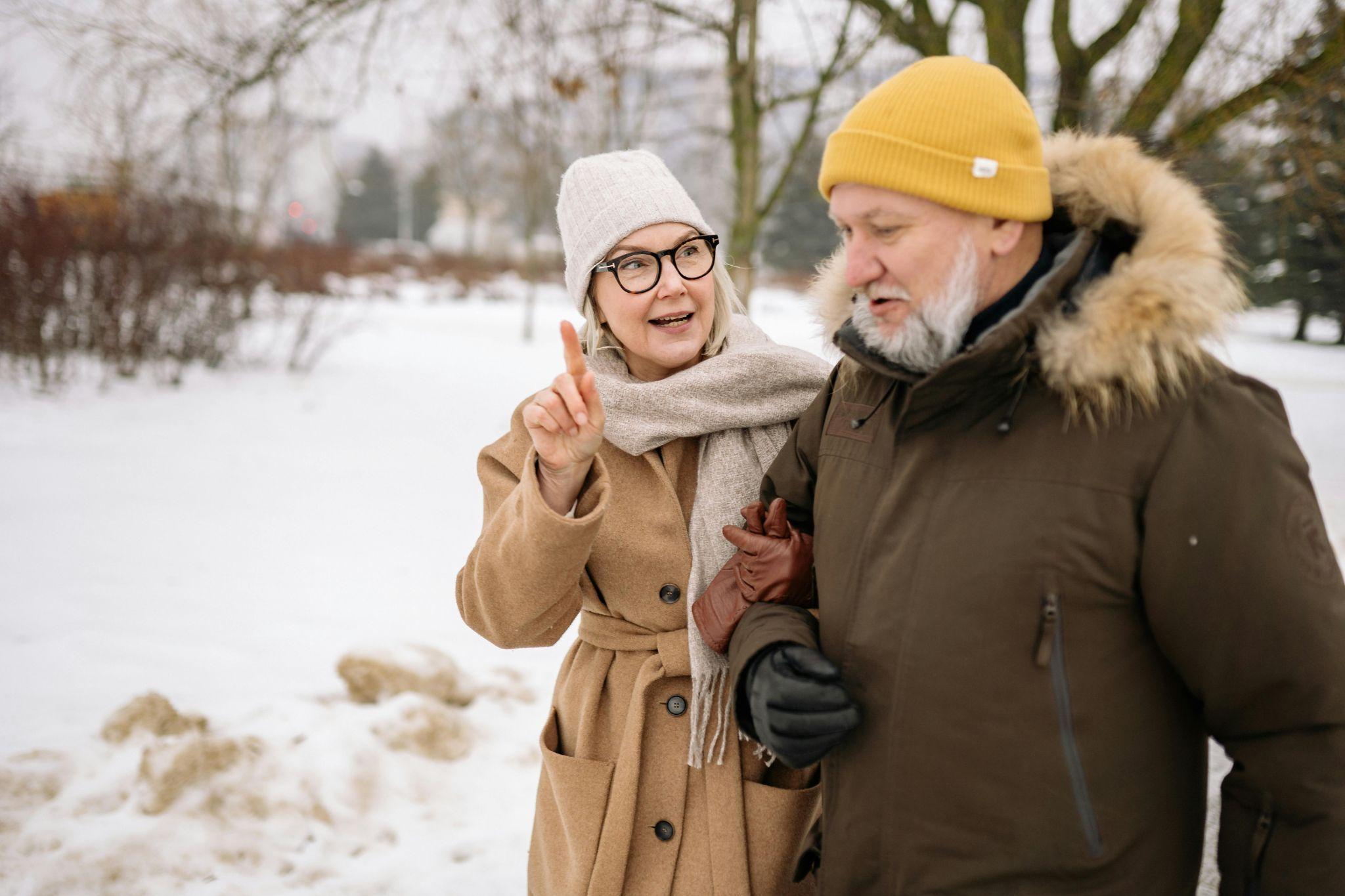
Maintaining immune strength does not require major lifestyle changes. Small habits make winter more manageable and comfortable.
Helpful daily actions include:
● Eating regular meals rich in nutrients
● Drinking warm fluids throughout the day
● Moving the body safely for at least a few minutes every day
● Getting morning sunlight exposure when possible
● Maintaining a steady sleep schedule
● Reducing stress through calm hobbies or conversation
● Staying updated on vaccines with a healthcare provider
Caregivers and family members can support seniors by offering rides to medical appointments, helping prepare groceries or meals, and checking in regularly during colder months.
Get an Online Doctor’s Note Through My Dr’s Note
Strong winter routines help stay healthy, but illness can still interrupt plans. When rest is required, obtaining approved documentation can reduce stress about work, travel, or caregiving duties.
With My Dr’s Note, individuals can request a doctor's note online. Through them, anyone can get a doctor’s note online for work quickly and securely when time off becomes necessary for recovery. Support is accessible and straightforward, without long appointments or travel barriers.
Contact My Dr’s Note today to buy a legit doctor's note online!
About the Author
The author writes about everyday living, family routines, and seasonal wellness habits. He collects practical tips that make daily life feel calmer and more manageable for people of all ages. When he’s not writing, he spends his time cooking simple meals and taking photos of neighborhood scenery during morning walks.

You must be logged in to post a comment.