


California continues to set the pace for ambitious real estate development, but behind every new structure is a financing process that is far more complex than it appears. Understanding key requirements and pitfalls for new construction loans in California is essential for developers and investors navigating strict regulations, rising costs, and heightened lender scrutiny.
This guide breaks down what it takes to secure funding, what challenges to expect, and how to position a project for approval in one of the most competitive construction markets in the United States.
The Landscape of Construction Lending in California
California’s construction environment is shaped by high demand, limited housing supply, and some of the strictest building regulations in the country. According to reports, the state faces a housing shortfall of over 1.2 million units, intensifying pressure on new development approvals.
At the same time, financing structures such as construction loans are designed to mitigate risk for lenders by releasing funds in phases tied to construction milestones. This means developers must maintain strong documentation, budgeting accuracy, and compliance from start to finish.

Key Requirements for Approval
Securing financing for ground-up development in California requires more than just a strong idea. Lenders typically evaluate several critical factors:
1. Strong borrower profile
Creditworthiness, liquidity, and prior development experience are heavily weighted. First-time developers often face additional scrutiny.
2. Detailed project documentation
Plans must include architectural drawings, construction timelines, and itemized budgets. According to research, incomplete documentation is one of the leading causes of loan delays.
3. Realistic cost projections
Construction input costs have risen significantly in recent years, particularly in labor-intensive states like California. Lenders expect budgets to reflect these trends accurately.
4. Regulatory readiness
Compliance with the California Environmental Quality Act (CEQA) is often required. Environmental review can significantly extend pre-construction timelines.
These requirements are not unique to California; similar standards appear in other states, but California’s regulatory intensity makes them more demanding.
Common Pitfalls Developers Should Avoid
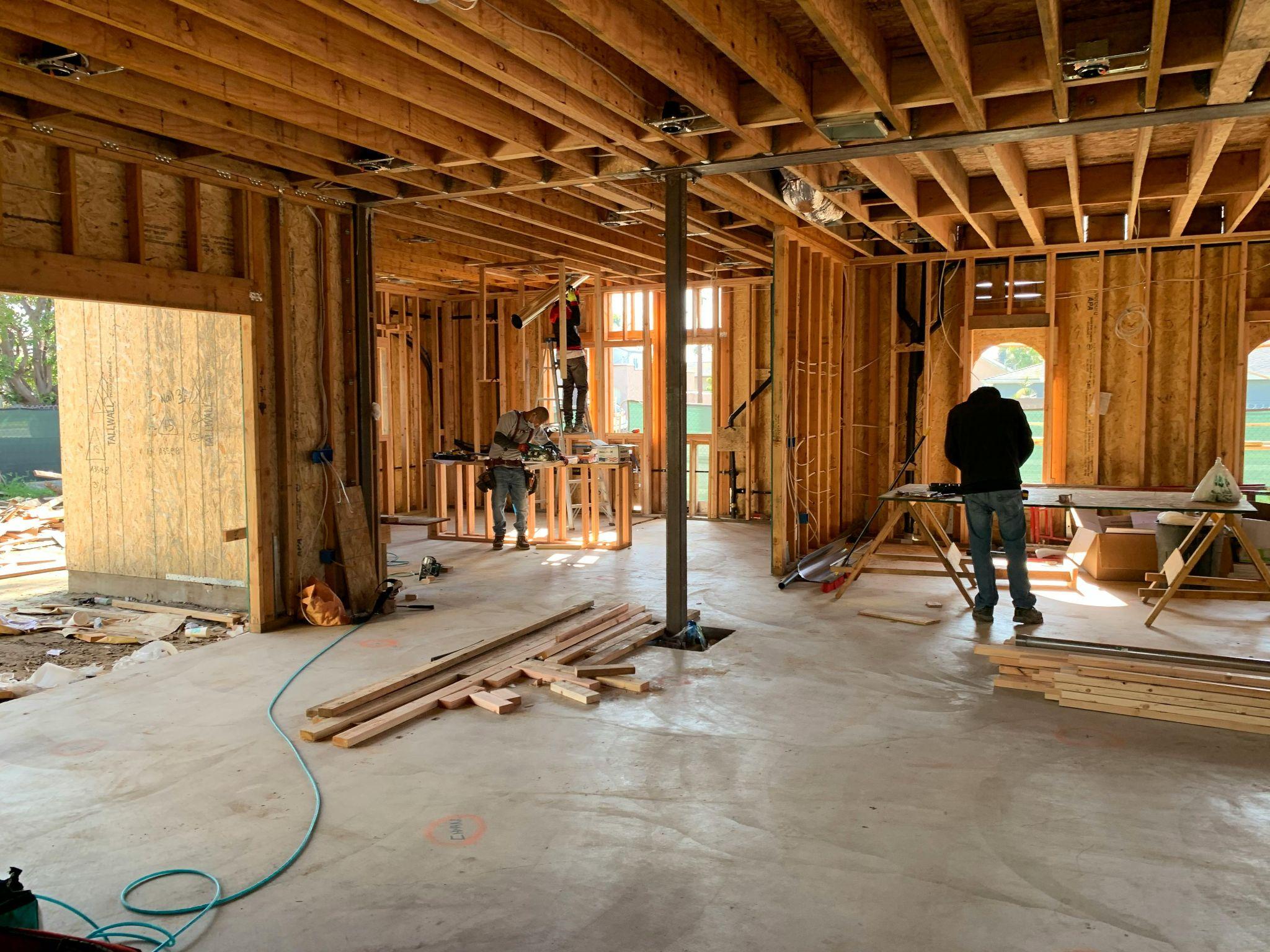
Even experienced builders can run into challenges that jeopardize financing or delay completion.
1. Underestimating construction costs
Material price fluctuations remain a persistent issue. Reports highlight an ongoing volatility in steel and lumber pricing, which can disrupt budgets mid-project.
2. Permit delays and zoning conflicts
Cities such as Los Angeles and San Diego have complex approval systems that can slow down progress.
3. Cash flow mismanagement
Since construction loans are disbursed in stages, poor cash flow planning can halt progress even when financing is approved.
4. Overleveraging early-stage assumptions
Lenders are cautious about inflated post-completion valuations, particularly in markets with fluctuating demand.
Strategies to Improve Loan Success
Developers can improve their chances of approval by focusing on:
● Comprehensive pre-construction planning
● Conservative budgeting with contingency buffers
● Clear construction timelines with milestone tracking
● Early engagement with regulatory requirements
● Partnering with experienced local professionals
These strategies are equally relevant across other states, but they are especially critical in California’s tightly regulated environment.

Financing Smarter Builds Across California
Successfully navigating key requirements and pitfalls for new construction loans in California takes more than understanding regulations; it requires a financing approach that aligns with real-world development challenges, from cost volatility to strict approval timelines.
Insula Capital Group focuses on supporting borrowers through these complexities with structured financing solutions designed for ground-up projects across high-cost markets.
For developers aiming to manage risk while maintaining momentum, having access to experienced capital support can be the difference between stalled approvals and successful project completion.
Looking to move your project forward? Contact Insula Capital Group today and take the next step toward securing your construction funding with confidence.
About the Author
Michael Donovan is a California-based real estate finance writer and development researcher focused on simplifying complex construction lending topics for investors and builders. With extensive experience analyzing lending structures, studying housing market trends, and reviewing regulatory frameworks across major U.S. development markets, Donovan offers practical insights into how construction financing works in high-cost, highly regulated environments like California.

You must be logged in to post a comment.