

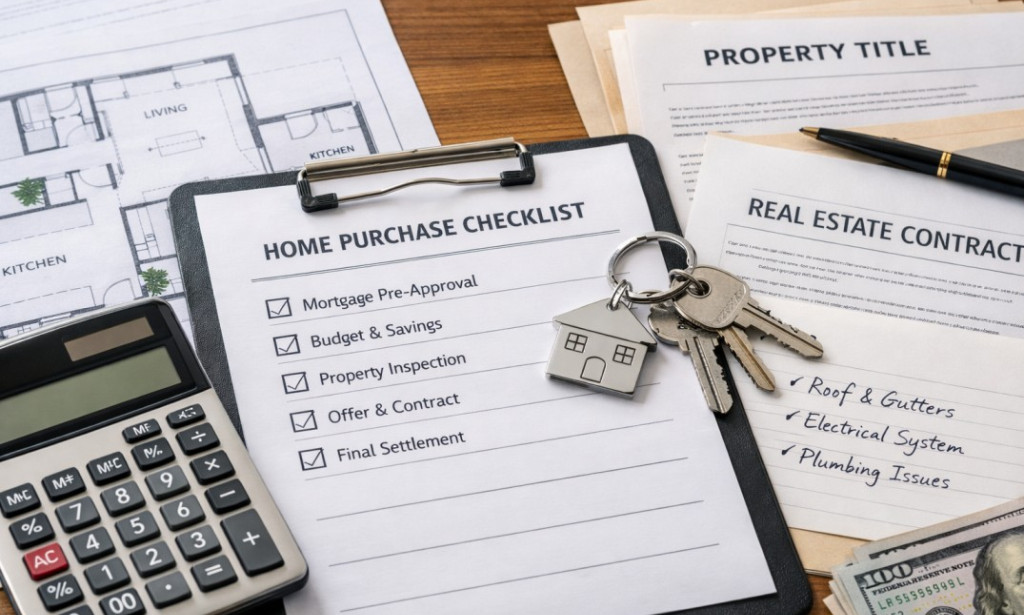
Buying a home is one of the biggest financial decisions most people will ever make. Between securing finance, comparing properties, negotiating contracts, and planning a move, it is easy to focus on the obvious details such as price, location, and appearance.
However, many costly property issues are not discovered because buyers fail to ask the right questions before making an offer.
A home may have fresh paint, updated fixtures, and attractive marketing photos, but that does not always tell the full story. Some of the most important information about a property never appears in a listing.
A strong home buyer checklist should include more than room measurements and inspection dates. It should also include questions that uncover the property's history, maintenance record, and potential risks.
Here are some of the most overlooked questions buyers forget to ask before purchasing a home.
Has the Property Ever Experienced Water Damage?
Water damage is one of the most expensive and frustrating issues homeowners face.
Many buyers ask about the age of appliances or the condition of the roof, but they rarely ask whether the property has experienced previous water intrusion.
Water damage can occur from:
-
Roof leaks
-
Storm events
-
Burst pipes
-
Overflowing gutters
-
Poor drainage
-
Flooding
Even when repairs have been completed, previous water damage can sometimes lead to ongoing issues such as mould growth, timber deterioration, or hidden structural concerns.
Ask the seller whether any water-related incidents have occurred and whether repairs were completed by qualified professionals.
Documentation can often provide valuable insight into the severity of previous problems.
Were Renovations Completed With Proper Approvals?
Renovations can add value and improve functionality, but not all improvements are completed through the proper channels.
Buyers often admire renovated kitchens, updated bathrooms, and converted living spaces without asking whether the work was approved and inspected where required.
Questions worth asking include:
-
Were permits obtained where necessary?
-
Were licensed tradespeople used?
-
Are compliance certificates available?
-
Have structural modifications been made?
Unapproved work can create complications long after settlement, including insurance issues, future resale challenges, and unexpected rectification costs.
Property due diligence should always include understanding the history behind significant renovations.
What Is the Drainage History of the Property?
Drainage problems are frequently overlooked because they are not always visible during inspections or open homes.
A property may appear perfectly dry on a sunny day while still experiencing serious drainage issues during heavy rainfall.
Ask questions such as:
-
Does water pool anywhere on the property?
-
Have there been drainage upgrades?
-
Does the yard become waterlogged?
-
Have neighbouring properties experienced runoff issues?
Poor drainage can affect foundations, retaining walls, landscaping, driveways, and subfloor areas.
The cost of correcting major drainage problems can be significant, making this an important area of investigation before purchase.
Has the Property Ever Been Treated for Termites?
Many buyers remember to ask whether termites are currently present.
Fewer buyers ask about previous termite activity or treatment history.
This distinction matters.
A home may have undergone treatment years ago and show no signs of current infestation, yet previous termite damage could still exist.
Questions to ask include:
-
Has the property ever had termites?
-
When was treatment completed?
-
Is there an active termite management system?
-
Are treatment records available?
Understanding termite history provides useful context when evaluating the overall condition of a property.
Have Any Insurance Claims Been Made?
Insurance claim history is not always discussed during property transactions, but it can reveal important information about previous events affecting the home.
Claims may have been lodged due to:
-
Storm damage
-
Water intrusion
-
Fire damage
-
Structural movement
-
Natural disasters
While a previous claim does not automatically indicate a problem, it can help buyers better understand a property's history and identify areas requiring further investigation.
Where possible, ask whether significant insurance claims have been made and whether repairs were completed satisfactorily.
Are There Any Ongoing Maintenance Issues?
Some property issues are not serious enough to be disclosed as defects but still require ongoing attention.
Examples include:
-
Minor roof leaks
-
Seasonal drainage concerns
-
Retaining wall movement
-
Cracking that requires monitoring
-
Persistent moisture issues
Sellers who have lived in a property for many years often know its quirks and recurring maintenance requirements.
Asking about ongoing maintenance can provide valuable practical information that may not appear in formal reports.
What Is the Age of Major Components?
Buyers frequently focus on cosmetic condition while overlooking the lifespan of expensive building components.
Consider asking about:
-
Roofing materials
-
Hot water systems
-
Air conditioning units
-
Electrical upgrades
-
Plumbing systems
Even if these components are functioning properly today, replacement costs may need to be factored into future budgeting.
Understanding expected lifespan helps buyers avoid unexpected expenses shortly after moving in.
Have There Been Any Structural Repairs?
Structural repairs are not necessarily a reason to avoid a property.
In many cases, professional repairs improve the long-term stability of a home.
The key is understanding:
-
What was repaired?
-
Why repairs were needed
-
Who completed the work
-
Whether supporting documentation exists
Structural history provides important context when assessing the overall condition of a property.
What Is the Neighbourhood Like During Different Conditions?
Most property inspections occur during limited time windows.
As a result, buyers often miss how an area functions during different circumstances.
Consider asking:
-
Does traffic increase significantly during peak hours?
-
Are there seasonal flooding concerns nearby?
-
Are there ongoing development projects planned?
-
How busy is the area during weekends?
These lifestyle considerations can affect long-term satisfaction just as much as the property itself.
Are There Any Planned Infrastructure Projects Nearby?
Infrastructure projects can influence both property values and quality of life.
Future developments may include:
-
Road expansions
-
Commercial developments
-
Public transport upgrades
-
New residential estates
Some projects may improve convenience, while others may introduce noise or increased traffic.
Researching planned developments forms an important part of property due diligence.
What Are the Annual Running Costs?
Many buyers focus on mortgage repayments while overlooking ongoing ownership expenses.
Useful questions include:
-
Average utility costs
-
Council rates
-
Body corporate fees (if applicable)
-
Maintenance expenses
-
Insurance costs
Understanding the full financial picture helps avoid budget surprises after settlement.
Why These Questions Matter
The purpose of asking these questions is not to find reasons to reject a property.
Instead, the goal is to gain a complete understanding of what you are purchasing.
A well-informed buyer is better positioned to:
-
Assess risk
-
Budget accurately
-
Negotiate confidently
-
Avoid unexpected expenses
No property is perfect. Every home has a history. The more you know about that history, the better equipped you are to make a sound decision.
Final Thoughts
Many buyers spend hours comparing suburbs, mortgage rates, and property prices. Yet some of the most valuable information comes from asking a few additional questions before signing a contract.
A strong home buyer checklist goes beyond appearances. It explores maintenance history, structural concerns, previous repairs, drainage performance, termite management, and other factors that influence long-term ownership.
Property due diligence is not about being suspicious. It is about being informed.
The right questions today can prevent expensive surprises tomorrow.

You must be logged in to post a comment.