

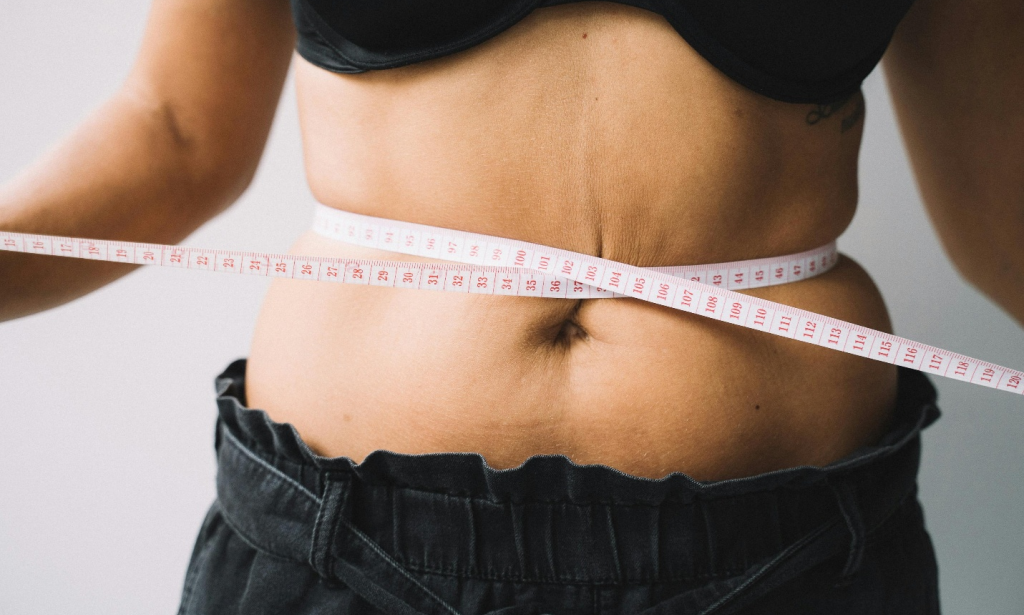
Losing weight in your 40s often feels completely different from earlier years, and it is rarely just about eating less. Many people notice that despite following familiar routines, the scale barely moves, cravings feel stronger, and stubborn weight tends to settle around the midsection. This stage of life brings real hormonal and metabolic changes that can affect how your body stores fat, manages hunger, and responds to exercise. For women, perimenopause may play a major role, while men may experience age-related hormonal decline. Understanding these internal shifts is the first step toward building a weight loss plan that actually works long term.
Why a Calorie Deficit Stops Being Enough
The idea that weight loss is purely about calories in versus calories out is an oversimplification, especially after 40. While calorie balance still matters, the body’s hormonal environment determines how effectively those calories are used. Estrogen changes in women often lead to increased fat storage around the abdomen, while lower testosterone in men can reduce lean muscle tissue, which directly lowers the resting metabolic rate.
This means that two people eating the same calories may experience completely different results depending on their hormone profile, age, and body composition. A person in their 40s may be eating less than they did years ago and still find that fat loss is minimal. That is because metabolism is no longer operating under the same conditions.
This is why weight loss treatment at this stage should focus on physiology rather than simply food restriction.
Why Hunger Feels Harder to Manage
One of the most frustrating parts of weight loss in your 40s is the feeling that hunger becomes louder and more difficult to control. This is often not about lack of willpower. Hormones such as cortisol, leptin, ghrelin, insulin, and estrogen all influence how hungry you feel and how satisfied you remain after meals.
Sleep disruption, which becomes increasingly common during perimenopause and periods of chronic stress, can significantly increase hunger hormones. Cortisol elevation can also drive cravings for high-sugar and high-calorie foods, making consistency much harder than it used to be.
This is where treatments such as semaglutide can offer a more effective approach. Supporting appetite regulation and slowing gastric emptying, it helps reduce the constant cycle of cravings and overeating that many patients experience during this stage of life.
The Importance of Muscle Preservation
One of the biggest reasons weight loss slows after 40 is the natural loss of lean muscle mass. Muscle tissue is metabolically active, which means it helps the body burn more calories even at rest. As muscle decreases, the resting metabolic rate drops as well.
This is why simply losing scale weight is not always the goal. Losing fat while preserving muscle creates better long-term metabolic outcomes and improves body composition more effectively than aggressive dieting.
Programs focused on semaglutide weight loss are most effective when they also include adequate protein intake, strength-focused movement, and recovery support. Without muscle preservation, weight loss may come at the expense of metabolic health.
Why Medical Support Makes a Difference
A medically supervised approach allows treatment to be tailored to the patient’s hormonal and metabolic needs. Rather than relying on generic diet plans, physician-guided care addresses the reasons weight loss has become difficult.
Patients visiting a weight loss clinic in Downey, CA often benefit from a full-body strategy that considers appetite regulation, hormonal changes, muscle support, and long-term maintenance. This type of support helps shift the focus away from short-term dieting and toward sustainable progress.
The Role of Clinical Treatment Options
For many patients, clinical tools provide the support needed to overcome metabolic resistance that lifestyle changes alone cannot fully address. Options such as weight loss injections may be used to support appetite control and consistency.
Patients receiving semaglutide in Downey, CA, often find that the reduction in constant food thoughts makes it easier to follow nutritional goals and maintain better eating habits.
The key is that these tools are most effective when they are part of a broader, medically guided program rather than being treated as a quick fix.
Long-Term Success Requires a Different Mindset
Weight loss in your 40s should not be approached with the same strategies used in earlier decades. The body requires a more intelligent, physiology-aware plan that prioritizes hormones, muscle, sleep, stress, and metabolic function.
Success at this stage is less about eating as little as possible and more about creating an internal environment where fat loss can happen sustainably.
A More Effective Path Forward
At Kiss & Tell Aesthetics, they understand that midlife weight loss requires more than a calorie deficit alone. Their medically supervised programs are designed to address appetite regulation, hormone-related roadblocks, and long-term body composition support.
For clients ready to move beyond restrictive dieting and into a smarter treatment plan, contact them to begin a more sustainable path forward.
About the Author
The author of this blog is a medical aesthetics and wellness writer specializing in metabolic health, hormone-related weight management, and medically supervised treatment education. They focus on creating clear, thoughtful content that helps readers understand how clinical support and lifestyle strategies work together to create sustainable, long-term results.

You must be logged in to post a comment.