

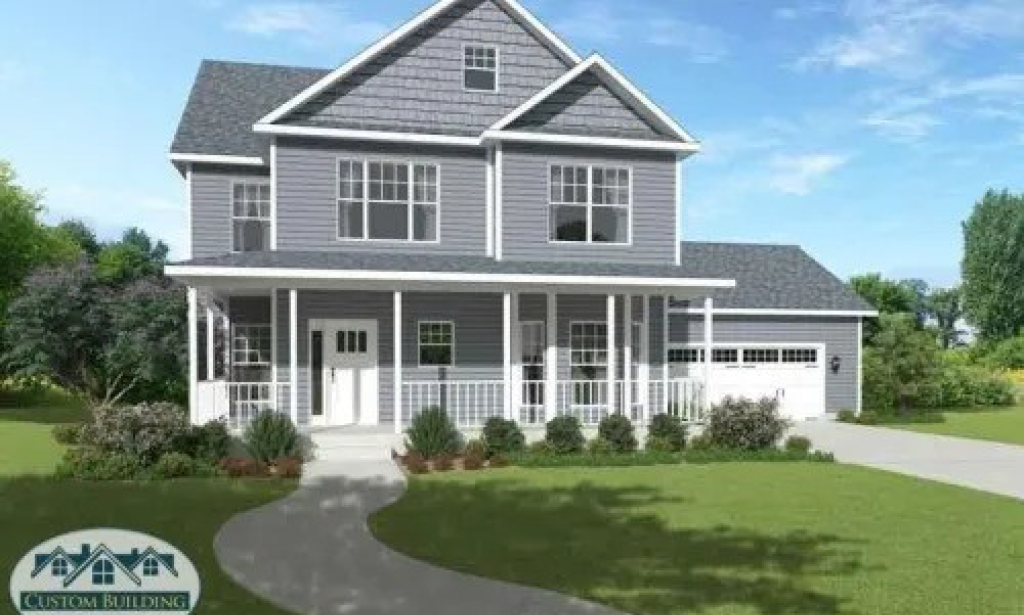
Cape Cod has long attracted homeowners drawn to its coastal charm, historic character, and tight-knit communities. For those looking to build, custom designed modular homes on Cape Cod have become an increasingly popular choice, offering quality construction, design flexibility, and faster build timelines. But before the first module arrives on your lot, you will need to work through a layered set of local building regulations that govern everything from zoning compliance to final occupancy. Understanding this process from the start can save you time, money, and considerable frustration.
Understanding Zoning Requirements First
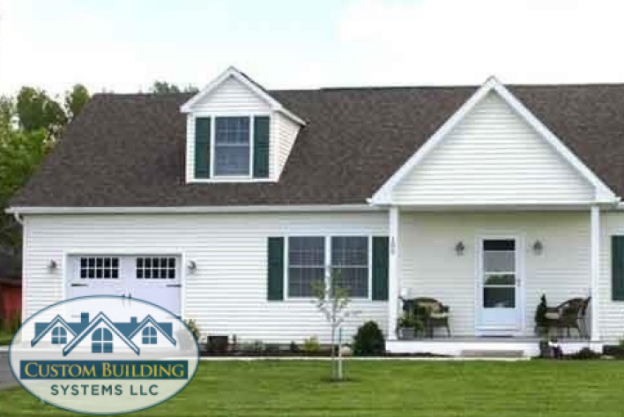
Before you even select a floor plan, verify that your lot is zoned for residential construction and that modular homes are permitted. Most Cape Cod towns fall under separate zoning bylaws, and regulations vary considerably between Barnstable, Falmouth, Brewster, Chatham, and other municipalities. Key factors to confirm include minimum lot size, setback requirements from property lines and wetlands, maximum building height, and lot coverage ratios. The local zoning board or building department can clarify these details, and consulting with them early prevents costly redesigns later.
The Building Permit Application Process
Once zoning is confirmed, your next step is the building permit. In Massachusetts, modular homes must be built to the state’s Industrialized Building regulations under 780 CMR, and the modules must carry a state seal of approval from the factory. Your builder will typically provide this documentation. The local building department will also require:
· A completed permit application
· Stamped architectural and structural drawings
· A site plan showing lot dimensions, utilities, and proposed placement
· Proof of septic system approval from the Board of Health (if not connected to town sewer)
· Energy compliance documentation under the Massachusetts Stretch Energy Code
Plan for a review period of several weeks, particularly during busy spring and summer seasons on the Cape.
Environmental and Historical Considerations
Cape Cod sits within the Cape Cod Commission’s jurisdiction for certain larger projects, and many towns have additional environmental overlay districts near wetlands, flood zones, and coastal areas. If your property falls within these zones, you may need additional approvals from the Conservation Commission under the Massachusetts Wetlands Protection Act. Historic district commissions in towns like Sandwich or Barnstable Village may also have design review authority, so confirm whether your lot is subject to any architectural guidelines.
Inspections along the Way
Unlike traditional stick-built construction, modular homes are inspected at the factory before delivery, which streamlines the on-site process. However, local inspections are still required for the foundation, utility connections, and final occupancy. Typical inspections include foundation and framing sign-off, electrical and plumbing rough-ins, insulation verification, and a final walk-through before the certificate of occupancy is issued.
The Path to Move-In
Once all inspections are passed and the certificate of occupancy is in hand, you are cleared to move in. Keeping organized records of every permit, approval, and inspection report throughout the process will also protect you at closing if you ever sell. Working with a builder experienced in Cape Cod regulations makes every step smoother, ensuring your new home meets both local expectations and your own vision.
Build Your Dream Home on Cape Cod with Affordable Modular Houses
Whether you are searching for affordable modular homes in Hyannis, Falmouth, Dennis, Eastham, Wellfleet, Provincetown, Cotuit, or Brewster, Affordable Modular Houses delivers custom designed modular homes on Cape Cod built to fit your life and your budget. Contact your trusted modular home builder on Cape Cod today to get started.
You must be logged in to post a comment.