

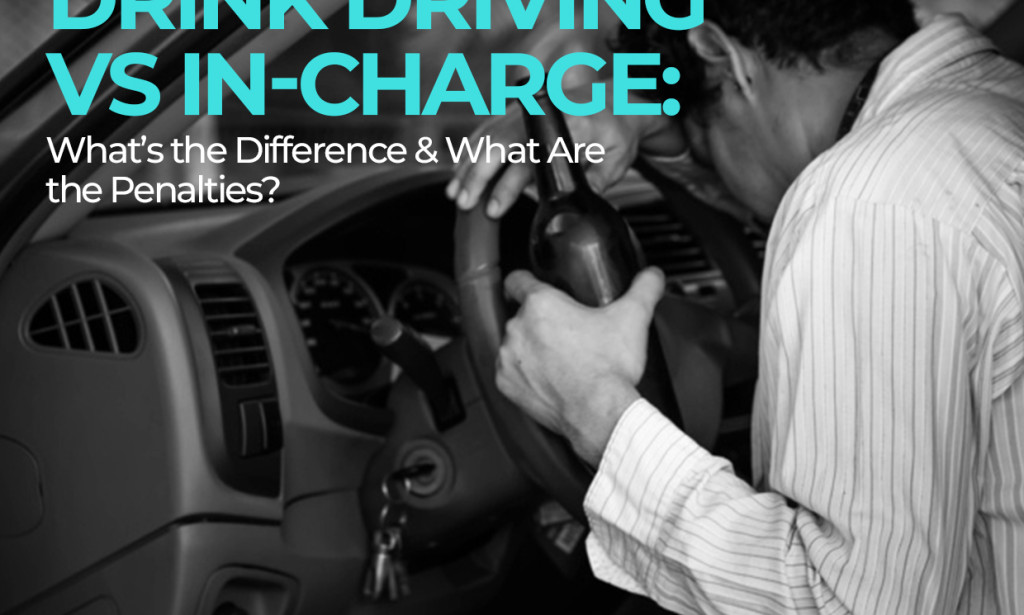
The key difference between drink driving and being in charge of a vehicle is that drink driving involves operating the vehicle while over the legal alcohol limit, whereas being “in charge” means you had control of the vehicle while over the limit, even if you were not driving. Both offences carry serious penalties, but drink driving typically results in a mandatory disqualification, while “in charge” cases may avoid a ban depending on the circumstances.
Alcohol-related motoring offences are treated seriously under UK law, but not all offences are the same. Two charges that are often confused aredrink driving and being “in charge” of a vehicle while over the legal alcohol limit. While both involve alcohol and control of a vehicle, the legal definitions, penalties, and available defences differ in important ways.
Understanding these differences is essential if you are facing an allegation — as the outcome can vary significantly depending on how the offence is classified.
What Is Drink Driving?
Drink driving occurs when a person drives or attempts to drive a vehicle while exceeding the legal alcohol limit.
In England and Wales, the limits are:
- 35 micrograms of alcohol per 100ml of breath
- 80 milligrams per 100ml of blood
- 107 milligrams per 100ml of urine
If you are found to be over these limits while driving, you will almost certainly face prosecution.
Penalties for Drink Driving
Drink driving carries strict and often unavoidable penalties, including:
- A minimum 12-month driving disqualification
- An unlimited fine
- Possible imprisonment (in more serious cases)
- A criminal record
Repeat offences or particularly high alcohol readings can lead to longer bans and custodial sentences.
What Does “In Charge of a Vehicle” Mean?
The “in charge” offence applies when a person is over the legal alcohol limit while in control of a vehicle, even if they are not driving at the time.
This can include situations where:
- You are sitting in the driver’s seat with the keys
- You are inside the vehicle while intoxicated
- You have access to the vehicle and could potentially drive
The law focuses on whether there is a realistic possibility that you might drive while over the limit.
Penalties for Being “In Charge” While Over the Limit
Although still serious, the penalties for this offence are generally less severe than drink driving:
- Up to 3 months’ imprisonment
- A fine (often up to £2,500)
- 10 penalty points or a discretionary disqualification
Unlike drink driving, a ban is not mandatory — meaning there is greater scope to avoid disqualification depending on the circumstances.
Key Differences Between the Two Offences
Understanding the distinction is critical:
| Factor | Drink Driving | In Charge |
|---|---|---|
| Driving required? | Yes | No |
| Legal focus | Operating the vehicle | Control and potential to drive |
| Disqualification | Mandatory (minimum 12 months) | Discretionary |
| Severity | Higher | Lower (but still serious) |
In short, drink driving is considered a more serious offence, while being in charge focuses on the risk of potential driving.
Defences — When Might You Avoid Conviction?
Defence for Drink Driving
Defending a drink driving charge can be challenging but may be possible where:
- The accuracy of breath, blood, or urine testing is in doubt
- Police procedures were not followed correctly
- There is insufficient evidence that you were driving
These cases often rely on technical and procedural arguments.
Defence for “In Charge” Offence
A key defence exists if you can show there was no likelihood of you driving while over the limit.
This may apply where:
- You were sleeping in the vehicle with no intention to drive
- The keys were not accessible
- You had made alternative travel arrangements
- The vehicle was not roadworthy
The burden is on the defendant to prove that driving was not realistically possible — which can be complex without legal guidance.
Common Misunderstandings
Many drivers assume they are safe if they are not actively driving, but this is not always the case.
Common misconceptions include:
- “I wasn’t driving, so I can’t be charged”
- “Sleeping in the car is always legal”
- “Having the keys nearby doesn’t matter”
In reality, courts assess the likelihood of driving, not just whether driving occurred.
Why Legal Advice Is Crucial
Alcohol-related motoring offences can have lasting consequences, including loss of licence, employment issues, and increased insurance costs. A specialist motoring solicitor can:
- Analyse the evidence and police procedure
- Assess whether a defence is viable
- Prepare a strong mitigation case
- Represent you effectively in court
In “in charge” cases particularly, the difference between conviction and acquittal often depends on how well the risk of driving is argued and evidenced.
Final Thoughts
While both drink driving and being in charge of a vehicle involve alcohol and legal risk, they are distinct offences with different thresholds and penalties. Drink driving carries mandatory disqualification and more severe consequences, while “in charge” cases offer greater flexibility — but still require careful handling.
If you are facing either allegation, understanding your legal position early and seeking expert advice can significantly improve your chances of achieving the best possible outcome.

You must be logged in to post a comment.