

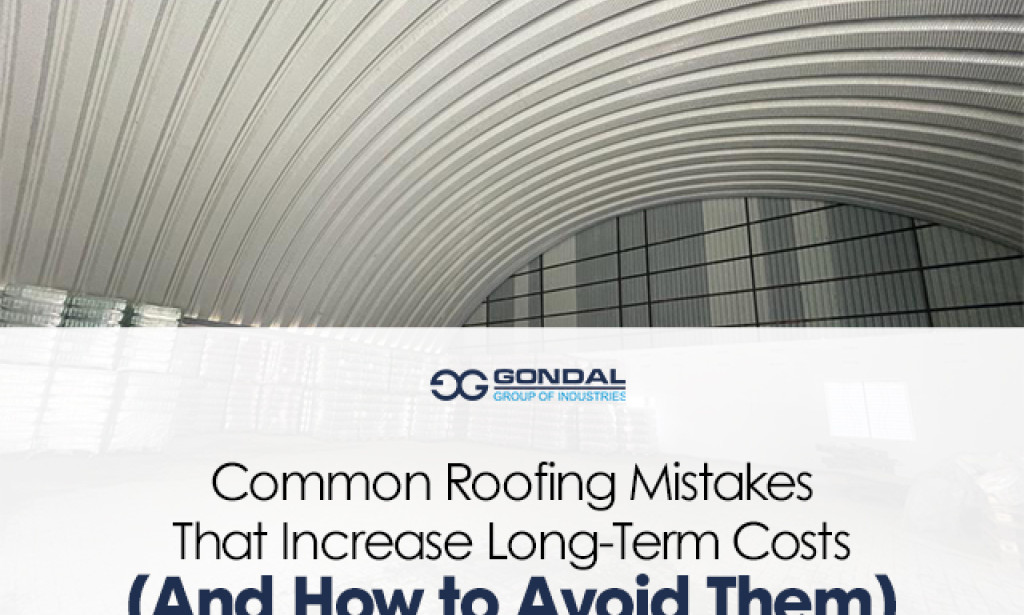
Roofing is one of the most critical components of any industrial or commercial structure. While initial construction costs often receive the most attention, long-term performance and maintenance expenses are equally important. Many roofing failures and unexpected costs result not from material defects but from avoidable planning and installation mistakes. Understanding these common errors can help businesses make better decisions and extend the life of their roofing systems.
Choosing the Wrong Roofing Material
One of the most frequent mistakes is selecting roofing materials based solely on upfront cost rather than long-term performance. Materials that lack durability, weather resistance, or compatibility with the building environment can deteriorate quickly. Industrial facilities exposed to heat, chemicals, or heavy rainfall require roofing solutions designed for such conditions. Selecting materials that offer corrosion resistance, UV stability, and long service life helps reduce repair and replacement costs over time.
Ignoring Climate and Environmental Conditions
Roofing systems must be suited to local climate conditions. Failing to account for temperature fluctuations, wind loads, humidity, and rainfall can result in premature damage. In high-temperature regions, roofing materials with poor heat resistance can warp or crack. Similarly, inadequate wind resistance can lead to uplift and structural damage. Evaluating environmental factors during the planning stage ensures the roofing system performs reliably throughout its lifespan.
Poor Installation Practices
Even the highest-quality roofing materials can fail if installed incorrectly. Common installation mistakes include improper fastening, incorrect sheet alignment, and inadequate sealing at joints and edges. These issues can lead to leaks, water infiltration, and structural stress. Working with experienced professionals and following manufacturer-recommended installation guidelines is essential to ensure long-term roofing performance.
Neglecting Proper Slope and Drainage
Roof slope and drainage play a vital role in preventing water accumulation. Flat or poorly sloped roofs can cause water to pool, increasing the risk of leaks, material degradation, and structural damage. Inefficient drainage systems can further worsen the problem, especially during heavy rainfall. Designing roofs with appropriate slope and effective drainage channels helps maintain structural integrity and prevents costly repairs.
Overlooking Thermal Expansion and Movement
Roofing materials naturally expand and contract with temperature changes. Ignoring this factor can lead to cracking, buckling, or joint failure. This is particularly important for industrial roofing systems that cover large surface areas. Allowing for thermal movement through proper fixing methods and expansion gaps helps maintain roof stability and reduces long-term maintenance issues.
Skipping Regular Maintenance and Inspections
Many building owners assume that once installed, a roof requires little attention. In reality, regular inspections and maintenance are critical to identifying minor issues before they escalate into major problems. Blocked drains, loose fasteners, or small cracks can quickly lead to water damage and structural deterioration if left unaddressed. Scheduled maintenance extends roof lifespan and minimizes unexpected expenses.
Focusing Only on Short-Term Savings
Cutting corners during roofing installation may reduce initial costs but often leads to higher expenses in the long run. Using low-quality accessories, substandard fasteners, or improper sealing materials compromises roof performance. Investing in quality components and professional workmanship ensures better durability and reduces the total cost of ownership over time.
Building Smarter for Long-Term Value
Avoiding common roofing mistakes requires careful planning, material selection, and execution. By considering climate conditions, allowing for thermal movement, ensuring proper installation, and committing to regular maintenance, businesses can significantly reduce long-term roofing costs. For industrial and commercial projects, choosing reliable roofing solutions designed for durability and efficiency supports safer operations and long-lasting performance. Gondal Group of Industries provides engineered roofing materials that help reduce these risks and deliver dependable results across diverse applications.

You must be logged in to post a comment.