

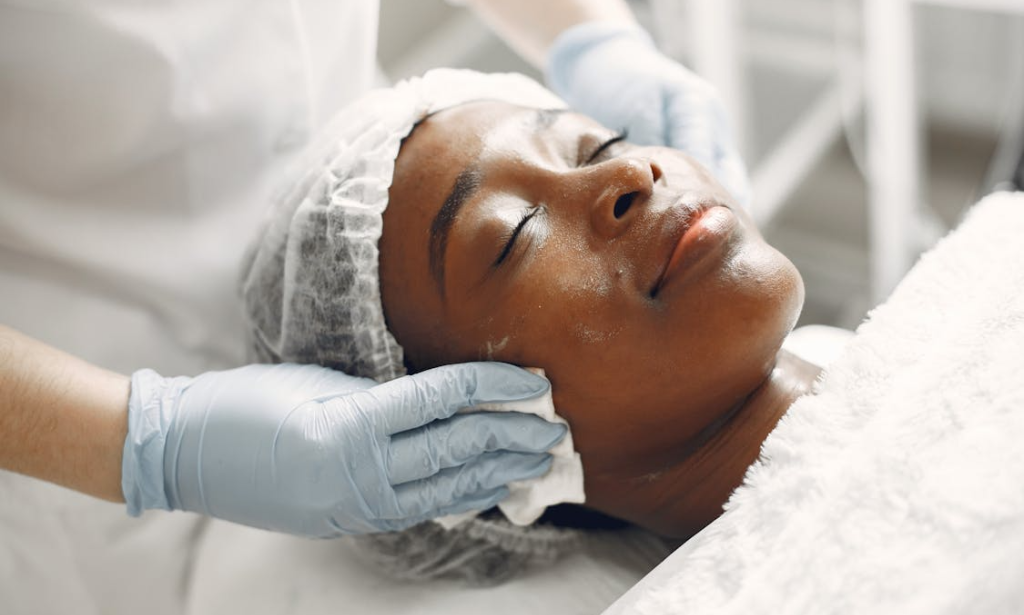
A chemical peel is one of the most effective ways to refresh your skin — tackling everything from dullness and uneven tone to fine lines and stubborn breakouts. But here is the thing most people don’t talk about: what you do after the peel matters just as much as the treatment itself.
The right aftercare routine can mean the difference between a lackluster result and that deep, radiant glow everyone is chasing. For anyone exploring microneedlingor chemical peels as part of their skin wellness routine, these tips will help protect the skin, speed up healing, and make every session count.
What to expect in the first few days
First things first — peeling is normal. In fact, that is the whole point. After a chemical peel, the skin goes through a shedding process as the outer damaged layers slough off to reveal fresher skin underneath. Depending on the depth of the peel, this can range from subtle flaking to more noticeable peeling that lasts anywhere from three to seven days.
Redness, tightness, and sensitivity are all part of the process. The key is to let the skin do its thing and resist the urge to pick or pull at any flaking skin, which can lead to scarring and uneven results.
Hydration is everything
Once the skin barrier has been disrupted by a peel, keeping it hydrated becomes the number one priority. A gentle, fragrance-free moisturizer applied consistently throughout the day helps support the healing process and reduces that uncomfortable tight feeling.
Ingredients like hyaluronic acid, ceramides, and aloe vera are particularly helpful at this stage — they replenish moisture without irritating compromised skin.
According to the National Institutes of Health, keeping skin moisturized after a chemical peel is essential to avoid complications and support the healing process. For an added boost, IV hydrationdelivers essential vitamins and fluids directly into the bloodstream to support skin recovery from the inside out.
What to avoid after a chemical peel
This is where a lot of people go wrong. The days following a chemical peel call for a simplified, gentle routine — not an opportunity to layer on active ingredients. Retinols, exfoliants, vitamin C serums, and anything with alcohol or fragrance should be set aside until the skin has fully healed, typically around seven to ten days, depending on the peel strength.
Sweating excessively should also be avoided in the first 48 hours, which means skipping intense workouts, saunas, and steam rooms.
Heat increases inflammation and can worsen redness or trigger unwanted pigmentation, particularly in those with a history of hyperpigmentation.

Sun protection is non-negotiable
Fresh post-peel skin is significantly more vulnerable to UV damage than usual, which means sun protection is no longer optional — it is essential.
According to the U.S. Food and Drug Administration, daily use of broad-spectrum SPF 30 or higher is one of the most effective ways to protect skin from UV damage — and this becomes even more critical after a resurfacing treatment like a chemical peel.
A broad-spectrum SPF should be worn every single day without exception, even on cloudy days or when spending most of the time indoors near windows. Skipping sunscreen after a peel not only undoes the results but can cause post-inflammatory hyperpigmentation that takes months to fade.
How to maximize your glow
The healing phase is actually the perfect time to keep things simple and intentional. A gentle cleanser, a nourishing moisturizer, and SPF are all the skin needs while it recovers. Once fully healed, results can be maintained and enhanced by pairing chemical peels with complementary treatments.
Microneedling with PRP is a popular follow-up option for patients looking to further improve skin texture and stimulate collagen, while Botox treatment for wrinkles can address expression lines that peels alone cannot target.
According to the American Academy of Dermatology, combining consistent skincare habits with professional treatments is one of the most effective ways to achieve and maintain younger-looking, healthier skin.
When to follow up with your provider
Most patients are ready for their next peel within four to six weeks, though this varies based on skin type and individual healing. Regular sessions deliver cumulative results that build over time — improving texture, tone, and overall luminosity with each treatment. Checking in with a provider between sessions ensures the plan stays on track and continues delivering the best possible outcomes.

Ready to glow? Kiss & Tell Aesthetics can help
Kiss & Tell Aesthetics takes a personalized, science-backed approach to every skin treatment, with chemical peels and dermal filler treatments tailored to each patient’s unique skin concerns and goals. Their team of board-certified nurse practitioners and skilled providers is committed to guiding every patient through their treatment and recovery for results that truly last. Those ready to take the next step are encouraged to call Kiss & Tell Aesthetics today and book a consultation.
About the author
Ryan Mitchell is a men’s grooming and wellness writer based in Los Angeles with a growing focus on the expanding world of medical aesthetics. After his own experience with skin treatments, he became passionate about breaking down clinical procedures into honest, accessible information for everyday readers. When he is not writing, Ryan enjoys exploring the Southern California food scene and staying active on the basketball court.

You must be logged in to post a comment.