

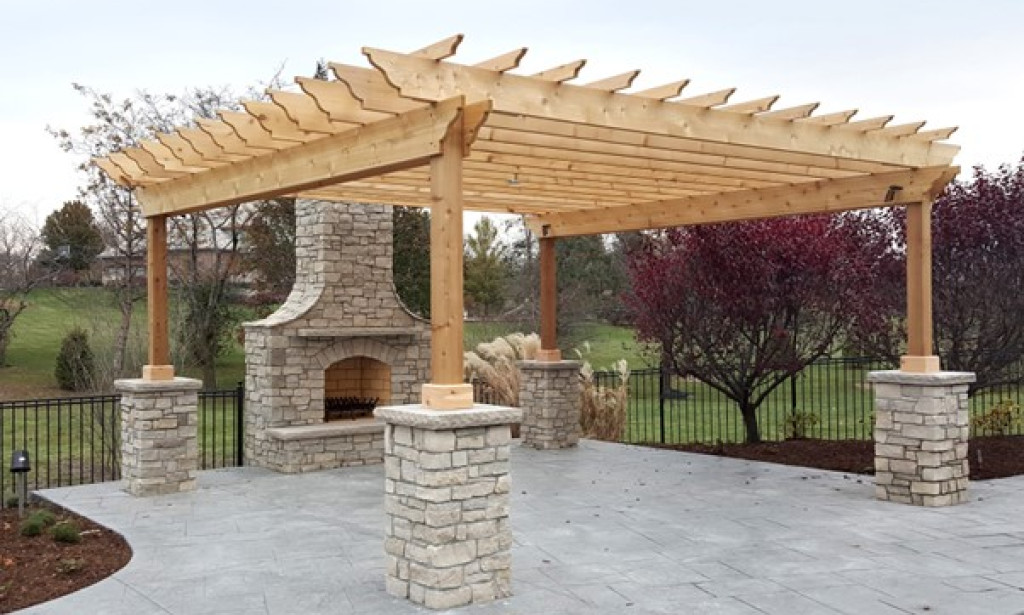
Homeowners searching for backyard arbors and pergolas often start with photos and end up overwhelmed by decisions — size, materials, footings, roof spacing, and whether the structure will actually feel comfortable to sit under day after day. A pergola might look simple in pictures, but once you start planning one for your own yard, the number of choices adds up quickly.
A great first step is seeing real examples of open structures and how they pair with decks. Reviewing real-world projects — rather than showroom renderings — helps clarify what works in actual backyards, with real sun exposure, furniture layouts, and traffic patterns.
For first-time builders, the goal shouldn’t be perfection or complexity. It should be building a pergola that feels intentional, usable, and proportionate to the space it lives in.
Pergola styles: choose the “feel” before the details
One of the most common mistakes homeowners make is choosing a pergola style based on a single photo instead of the overall feel they want the space to have. Before worrying about beam size or rafter spacing, step back and decide how you want the pergola to function emotionally and visually.
Common pergola styles include:
● Modern minimalist: clean lines, squared posts, simple slat patterns, and restrained detailing. These often pair well with contemporary homes or newer deck materials.
● Traditional: more decorative beams, shaped ends, layered trim, and a classic profile that complements older homes or historic architecture.
● Attached pergolas: connected to the home for a seamless indoor–outdoor transition, often extending shade from the house outward.
● Freestanding pergolas: ideal for defining a zone farther into the yard, such as over a dining area, fire pit, or garden path.
Your home’s architecture should guide the style choice. A pergola looks best when it feels like it belongs to the house and landscape — not like it was dropped in from a completely different property. Matching proportions, materials, and visual weight matters far more than copying a trend.
Materials: what first-time builders should know
Pergolas can be built from a variety of materials, and each option comes with tradeoffs that first-time builders should understand upfront.
● Wood: Warm, classic, and versatile. Wood pergolas can be customized easily and blend naturally into outdoor spaces, but they require ongoing care. Staining, sealing, and long-term maintenance should be part of the decision — not an afterthought.
● Low-maintenance systems: Often attractive for homeowners who want long-term consistency with less upkeep. These systems maintain their appearance well but typically come with higher upfront costs and less flexibility in design details.
If your pergola is part of a full outdoor living plan, it’s worth considering the deck surface at the same time. Many homeowners pair pergolas with low-maintenance deck surfaces to reduce upkeep across the entire space; compare options here.
Choosing materials in isolation can lead to mismatched finishes or uneven aging over time. Coordinating pergola materials with the deck surface helps the entire space feel cohesive.
Sizing tips: don’t guess — design for use
A pergola should be sized around how people will actually use the space — not just the size of the deck or patio underneath it.
Key considerations include:
● Dining zones: Allow enough room for chairs to pull out comfortably without hitting posts or railings.
● Lounging zones: Plan space for side tables, foot traffic, and movement between seating areas.
● Traffic flow: Avoid creating a “pinch point” between doors, stairs, and seating that forces people to squeeze through.
A common mistake is going too small. If the pergola doesn’t shade the primary seating area during peak sun hours, it won’t get used as often as intended. Shade placement matters just as much as footprint size.
Installation basics: what “done right” usually involves
A pergola is only as good as its structural planning. First-time builders often underestimate what goes into a clean, long-lasting installation.
Critical factors include:
● Anchoring and footing requirements that account for wind loads and frost depth
● Keeping posts square and plumb across the full structure
● Aligning beams and rafters so the finished look is straight and intentional
● Managing weather exposure and how water moves around posts, footings, and decking
This is also where many DIY builds go sideways. A slightly out-of-square frame may not be noticeable at first, but once slats or rafters are installed, the misalignment becomes obvious and difficult to correct.
Cost expectations: what drives the budget
Pergola costs vary widely, but certain factors consistently increase price:
● Larger footprints and taller heights
● More complex beam detailing or decorative elements
● Attached structures requiring additional planning and flashing
● Lighting, fans, or electrical integration
● Premium materials and specialty finishes
The good news is that a simple pergola can still look high-end if proportions are right and the deck layout supports it. Thoughtful design often matters more than added complexity.
First-time mistakes to avoid
Many first-time pergola projects fall short for the same reasons. Common mistakes include:
● Building for the photo, not the function: looks great, sits poorly
● Ignoring sun angles: the shade ends up in the wrong place
● Skipping electrical planning: lights get added later with messy cords
● Overcrowding the deck: structure plus furniture leaves no walking space
● Assuming “covered” means enclosed: many homeowners actually prefer open-air comfort
For deck-and-pergola pairing inspiration, it helps to review common layouts here.
Make the first pergola a project you’ll actually enjoy
A pergola should make outdoor living easier — not more complicated. The right structure provides comfortable seating, usable shade, and a defined space that feels intentional and welcoming.
If you’re comparing deck contractors near St. Charles, IL, look for builders who understand proportion, anchoring, and how pergolas integrate with overall deck layout. And if your goal is to work with a deck builder in St. Charles, IL who can align structure, surface, and flow, planning the pergola alongside the deck design is usually the smartest route.
For homeowners who want a professionally built open pergola integrated with a deck, Casey suggests reviewing the approach and project examples from Backyard Images Inc. and starting a conversation through their contact page.
About The Author
Casey Morgan is an outdoor structure consultant and former carpentry instructor who has advised first-time homeowners on pergola and deck planning for 12+ years.

You must be logged in to post a comment.