

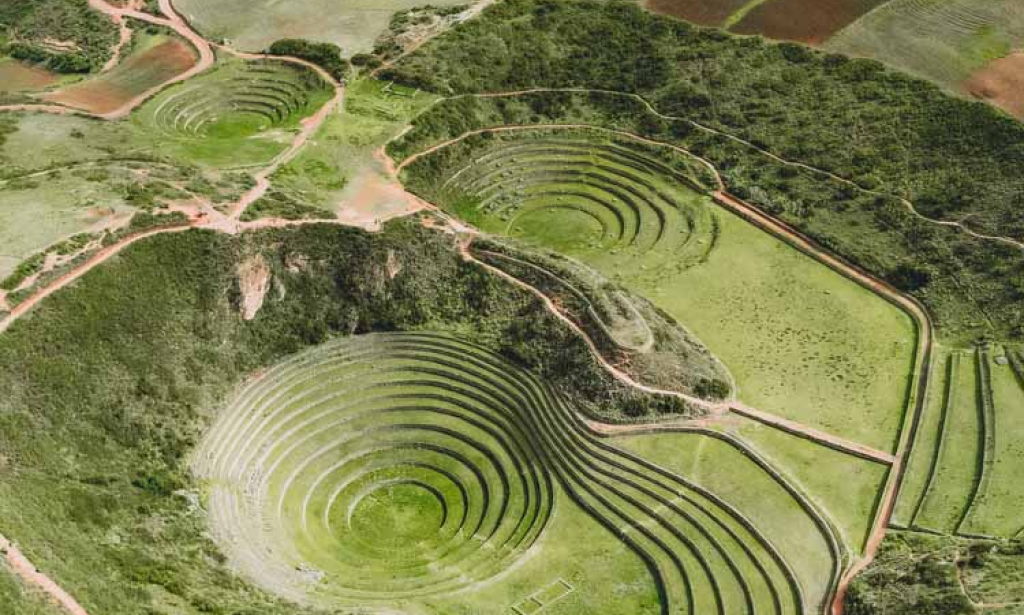
While the Machu Picchu tour is the most famous Incan site, the Cusco region and Sacred Valley host numerous lesser-known architectural treasures. From terraced ruins to ceremonial structures, these sites offer insight into pre-Columbian engineering and daily life. Travelers who include a Sacred Valley day trip from Cusco in their itinerary encounter historic towns, plazas, and archaeological complexes that highlight the ingenuity of ancient civilizations. Visiting these locations provides a more intimate understanding of how communities lived, worked, and organized sacred spaces beyond the widely visited Machu Picchu.
Sacsayhuamán: Stones That Speak
Located just outside Cusco, Sacsayhuamán is renowned for its massive, precisely cut stones arranged without mortar. The walls demonstrate the skill of Incan masons and the society’s ability to mobilize labor for monumental constructions. Beyond its defensive role, the site served ceremonial functions, especially during solstices and festivals. Travelers joining a Sacred Valley tour often combine a visit to Sacsayhuamán with smaller nearby ruins, gaining a sense of the broader urban and spiritual planning of the Incan capital.
Ollantaytambo: Fortress and Town
Ollantaytambo remains one of the few living Incan towns where streets and terraces maintain their original layout. Its fortress overlooks the Urubamba River and exemplifies military and agricultural strategy. Terraces demonstrate sustainable hillside cultivation still in use today, and water channels reveal precise hydraulic engineering. Including this location in a Sacred Valley day trip allows travelers to witness how ancient architecture supported both defense and daily life, making it a practical as well as cultural visit.
Pisac: Market and Ceremonial Center
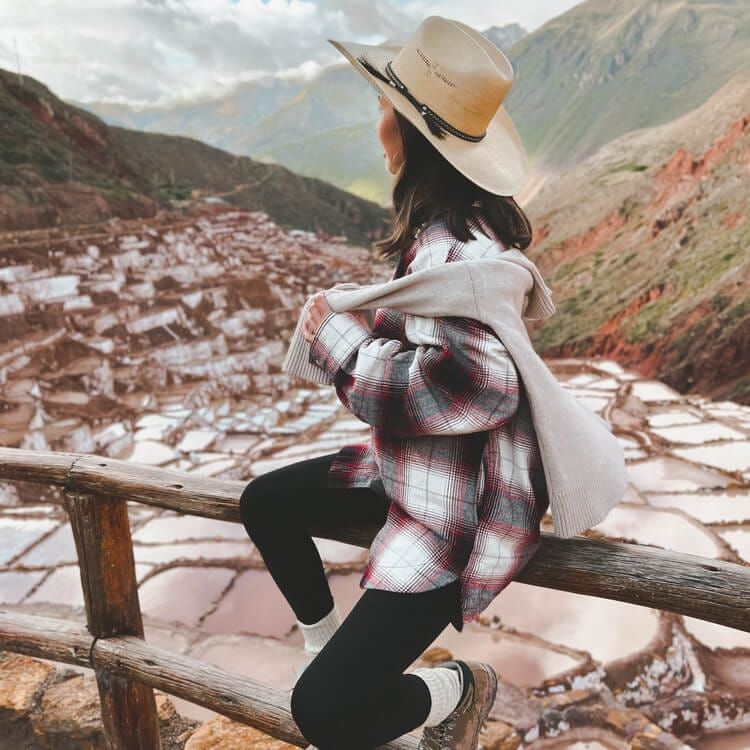
Pisac combines archaeological ruins with one of the region’s most vibrant markets. The site features agricultural terraces, ceremonial plazas, and burial sites that date back to pre-Incan and Incan periods. The terracing system optimized steep terrain for farming, reflecting both ingenuity and adaptation to high-altitude conditions. Visitors on a Sacred Valley tour from Cusco can pair morning market visits with afternoon ruin walks, experiencing both contemporary local life and historical engineering in one coherent day.
Moray: Agricultural Experimentation
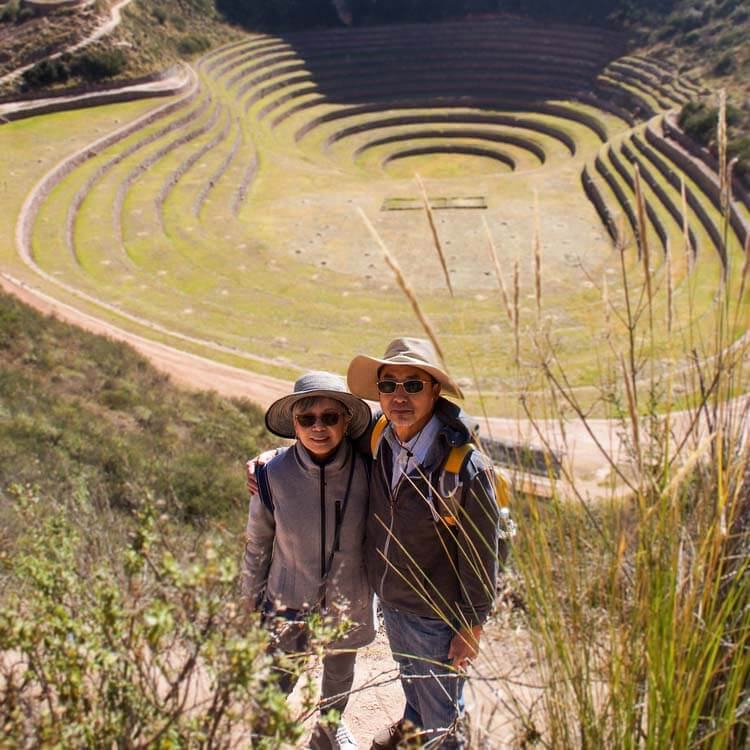
The circular terraces of Moray display what is believed to be ancient agricultural experimentation. Each level creates a microclimate, allowing crops to grow in different conditions and demonstrating early scientific observation of temperature and soil variation. While smaller than Machu Picchu, the site offers insight into how Incan engineers manipulated the environment to maximize productivity. Travelers, including Moray on a Sacred Valley tour from Cusco, gain appreciation for Incan innovation beyond ceremonial architecture, emphasizing practical problem-solving alongside artistry.
Tipón: Water and Stone
Tipón is a unique combination of terraces, canals, and fountains that highlights advanced Incan hydraulic engineering. The site illustrates how water management enhanced agricultural production and ceremonial presentation simultaneously. Its stonework and channels are remarkably well-preserved, offering lessons in ancient irrigation that still inspire modern engineers. Including Tipón in itineraries such as a Sacred Valley tour from Cusco or connecting it with smaller ruins ensures a comprehensive understanding of Incan ingenuity beyond iconic Machu Picchu.
Cultural Context and Daily Life
Visiting these lesser-known sites provides more than architectural appreciation; it reveals patterns of daily life. Communities aligned structures with seasonal cycles, religious ceremonies, and agricultural needs. Courtyards, storage areas, and roads indicate how ancient populations organized space and labor. Guided tours, including those offered by Sacred Valley tour from Cusco providers, often highlight these aspects, giving travelers context that transforms ruins from static monuments into living narratives of past societies.
Planning a Multi-Site Excursion
Combining multiple sites into one day or a multi-day itinerary maximizes exposure to architectural and cultural diversity. Arranging visits with knowledgeable guides ensures efficient transport and timing while emphasizing historical connections between sites. Travelers can pair ceremonial centers, fortified towns, and experimental terraces in a coherent route. Using a Sacred Valley tour service makes it easier to access these locations, manage logistics, and gain in-depth interpretation from local experts.
Preservation and Respect
Respecting ancient structures is essential. Visitors should avoid climbing fragile walls, touching carvings, or straying off designated paths. Local communities often maintain sites, and proper behavior helps preserve them for future generations. Observing these practices enhances the educational experience, allowing travelers to appreciate architecture, engineering, and culture in situ while supporting local stewardship.
Experience Ancient Ruins With Ease
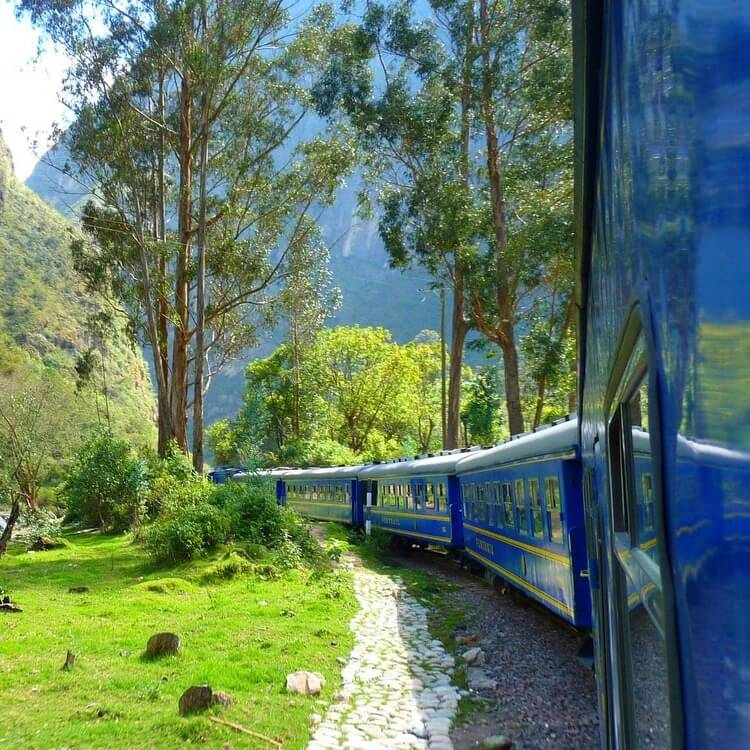
Ancient architecture beyond Machu Picchu demonstrates the ingenuity, adaptability, and daily practices of Incan and pre-Incan societies. Visiting Sacsayhuamán, Ollantaytambo, Pisac, Moray, and Tipón offers a comprehensive view of engineering, agriculture, and ceremonial life. Combining these sites with a Sacred Valley tour from Cusco or a Cusco Peru day trips itinerary provides travelers with cultural depth, historical perspective, and meaningful experiences that extend beyond the iconic Machu Picchu. For organized routes, local insights, and expert guidance, Rainbow Mountain Expeditions ensures every visit is enriching, safe, and immersive. Contact them today.
About the Author
Diego Herrera is a historian and cultural travel writer specializing in Andean civilizations. He has conducted field research in Cusco and the Sacred Valley for over a decade, documenting both major and lesser-known archaeological sites. Diego focuses on contextual storytelling, highlighting how architecture reflects daily life, agriculture, and spirituality. He believes that understanding the people behind the ruins transforms a visit into a deeper educational experience. His work encourages travelers to appreciate both the engineering and the social organization of ancient cultures.

You must be logged in to post a comment.