

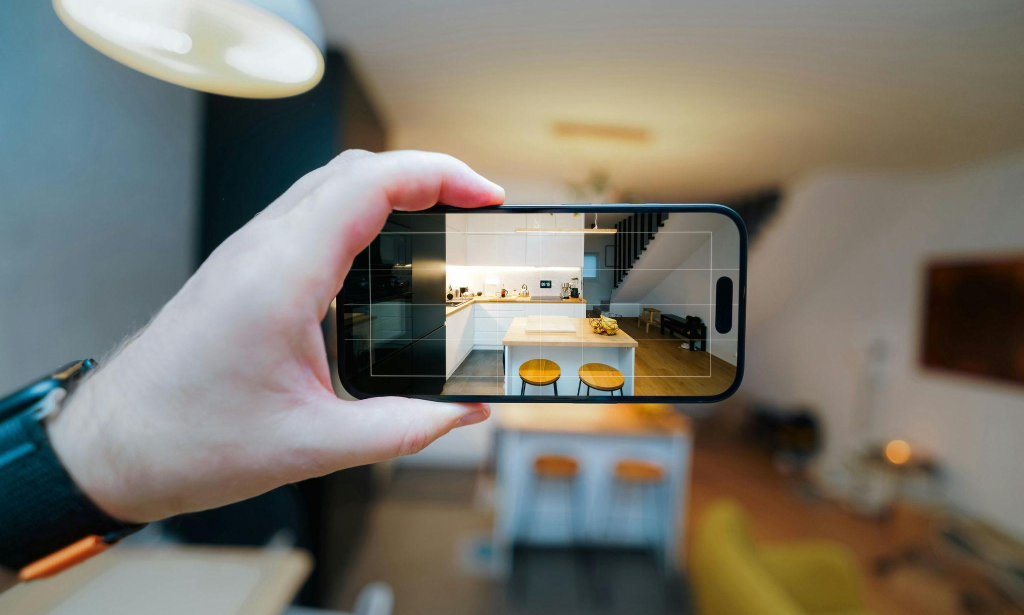
Digital media now shapes how buyers evaluate homes long before a showing. In 2026, listings compete for attention across crowded online platforms, and visual formats influence which homes buyers review first. Among available tools, 3D tours and video tours stand out as two of the most widely used options.
Each format serves a different purpose, and understanding those differences helps agents select the right approach for each listing.
This comparison explains how immersive tours and cinematic walk-through videos function, where each format performs best, and how 3D home tours in Washington fit into modern listing strategies.
How 3D Tours Present a Property
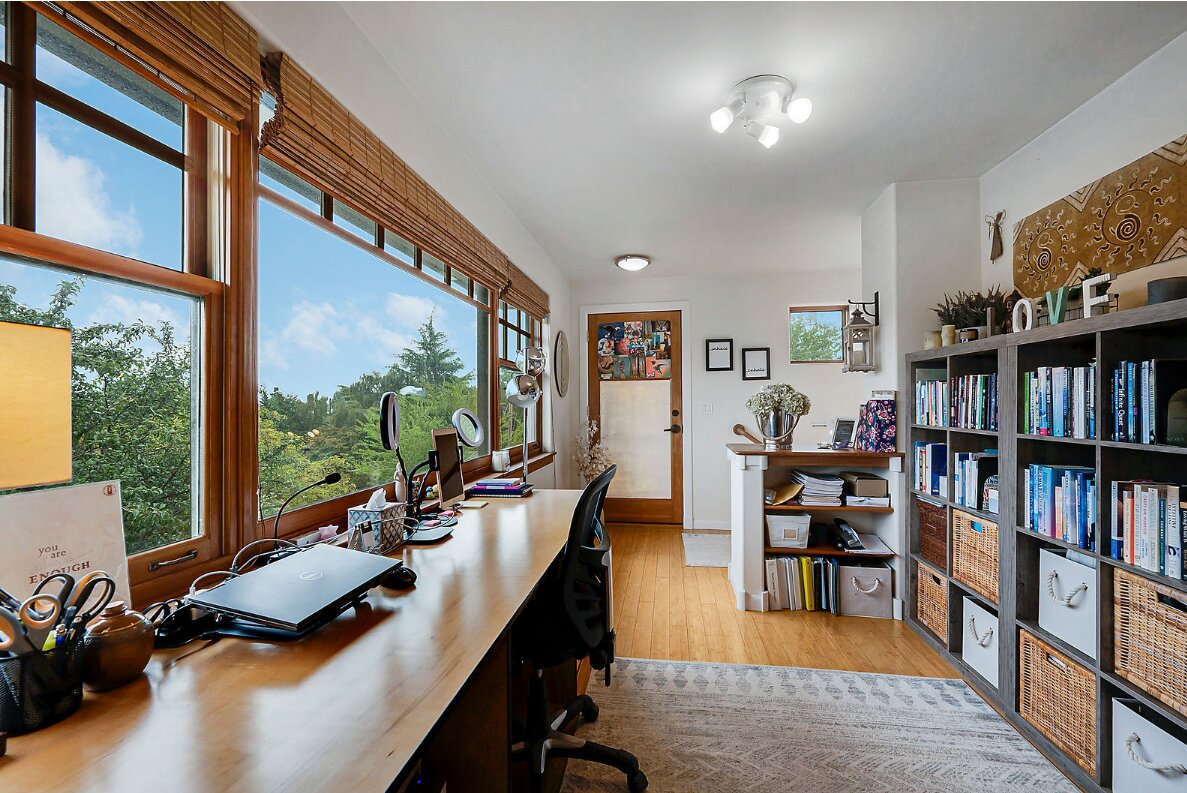
3D tours provide an interactive model of a home that allows viewers to move freely between rooms. Users control direction, pacing, and viewpoint. This structure supports careful review of layout, room relationships, and spatial flow.
In residential marketing, 3D tours support buyers who want a clear sense of how spaces connect. Hallways, staircases, and room placement remain visible at all times. This format works well for buyers who rely on independent evaluation before scheduling a visit.
For listings with complex layouts, multiple floors, or unconventional designs, 3D home tours in Washington offer clarity that static images cannot provide alone.
How Video Tours Communicate Flow
Video tours guide viewers through a home using a fixed path. A camera follows a planned route that highlights main features, transitions, and focal points. This structure creates a controlled narrative that emphasizes scale, movement, and visual continuity.
Real estate video tours help buyers experience pacing and atmosphere. Camera movement shows how rooms open into one another and how natural light changes across spaces. This format supports emotional engagement while maintaining structure.
Video tours often include exterior footage and aerial views, which help buyers understand access points and outdoor features in one sequence.
Viewer Control Versus Guided Experience

One primary difference between 3D tours and video tours lies in control. 3D tours place control entirely with the viewer. Buyers decide where to go and how long to stay in each space. This approach suits analytical buyers who prefer a detailed review.
Video tours guide viewers along a set path. The agent or media team decides which spaces receive focus and how long each appears on screen. This method suits listings that benefit from visual storytelling rather than detailed inspection.
Both approaches support buyer decision-making, but they appeal to different viewing preferences.
Device Compatibility and Viewing Behavior
3D tours function best on desktops and tablets, where screen size supports navigation. Touch controls and mouse navigation allow smooth movement through rooms. On smaller devices, interaction may feel limited.
Video tours perform well across all devices. Smartphones, tablets, and desktops support video playback easily. This accessibility allows video tours to reach a wider audience across social platforms and listing portals.
Agents working with mobile-first buyers often include video tours alongside still photography for a broader reach.
Time Investment and Attention Span
3D tours invite longer engagement. Viewers often spend extended time reviewing layouts, especially when relocation or remote buying influences the decision. This format supports deeper evaluation rather than quick browsing.
Video tours support shorter attention spans. Buyers can watch a full walkthrough in minutes. This structure fits early-stage browsing when buyers compare several listings quickly.
The choice between formats often depends on buyer intent and listing type.
Accuracy and Spatial Understanding

3D tours document space precisely. Measurements, room boundaries, and relationships remain visible throughout the experience. Buyers gain confidence in how furniture may fit and how rooms function together.
Matterport 3D tours provide a structured digital model that reflects the actual property. This level of accuracy supports informed decisions without requiring repeated visits.
Video tours show space through motion, which supports perception of scale but does not allow independent measurement or navigation.
Marketing Strategy in Competitive Markets
In competitive conditions, agents often combine formats rather than choosing one exclusively. 3D home tours in Washington support serious buyers who require a detailed evaluation. Video tours attract attention and guide interest toward showings.
Listings with both formats support multiple buyer types without sacrificing clarity or engagement. This layered approach allows agents to address different viewing behaviors within the same marketing cycle.
Production Considerations for Agents

3D tours require structured capture and careful planning. The property must remain consistent throughout the scan. Preparation standards often remain higher due to complete documentation of all spaces.
Video tours require staging, lighting control, and movement planning. The camera path must remain smooth and purposeful. Editing shapes pacing and presentation.
Both formats require professional handling to maintain accuracy and presentation quality.
Choosing the Right Format for Each Listing
Listings with architectural complexity, multiple levels, or investment potential benefit from 3D tours. Buyers reviewing remotely rely on full spatial access before engagement.
Listings focused on visual appeal, flow, and emotional response benefit from video tours. These properties often attract attention through presentation rather than layout alone.
Understanding listing goals helps agents select the right media combination.
Trusted Real Estate Media Services in Washington by Haze Grey Creative
The team at Haze Grey Creative delivers real estate photography and real estate media services designed for agents in Washington. The company provides 3D home tours, including Matterport 3D tours and virtual home tours for listings that require spatial clarity. Haze Grey Creative also produces real estate video tours and specializes in real estate videography and drone property video services.
The team serves agents looking for a real estate photographer in Everett or Kingston. Contact Haze Grey Creative today to schedule your next listing.
About the Author
The author is a real estate marketing writer with experience covering digital media, listing presentation, and buyer engagement patterns. His writing examines how photography, video, and interactive media influence how homes are evaluated online.

You must be logged in to post a comment.